
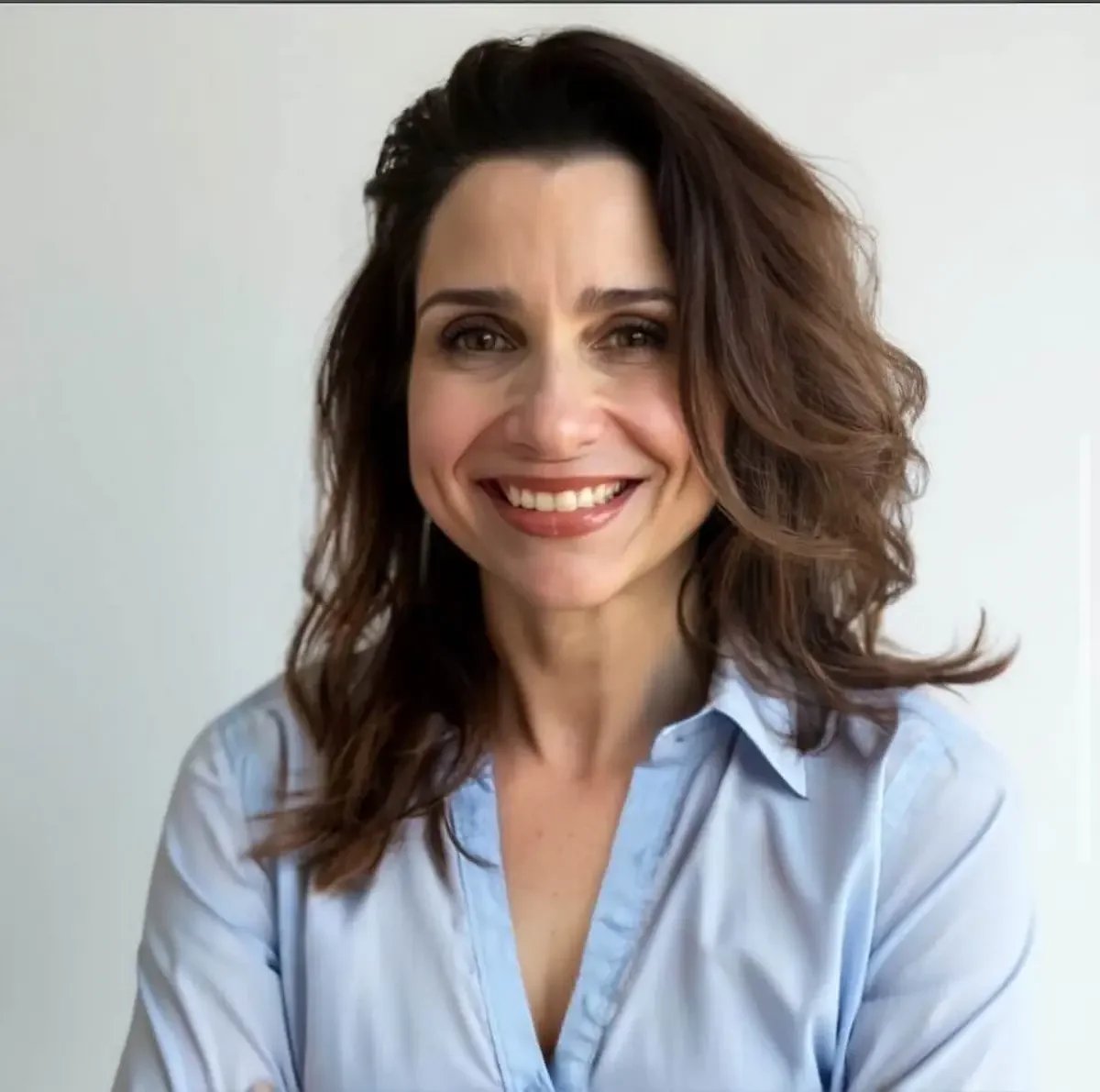
Meet Rebecca Flores, LPC: Trauma and Attachment Therapist for San Antonio Women
For the woman who knows her story, but still feels it coloring her world

This Work Found Me Early
I've always been drawn to what lives underneath.
Not just the presenting story, but the one beneath it. The moment someone says one thing and something else moves underneath it.
That orientation is what brought me to trauma and attachment work, and it's what keeps me here. I believe that most of what brings someone to therapy isn't a symptom to be managed. It's a survival system that worked once and is now costing too much.
My job is to help you see it clearly, understand it without blaming yourself, and find out what changes when it’s no longer running your life from underneath.
I work at the level where things actually change: in the nervous system, the body, the relational patterns formed before you had language for them.
That’s where we work. I'm right there with you in the work. I pay close attention, I remember what matters, and I'm steady about where this can go, even when you can't see it yet.
Beneath the Adaptation

You know what happened, your patterns, and where it all started. And something still hasn't moved.
And yet, you’re still moving, still managing, still being who others need you to be.
Something in you knows the weight of it is different now.
When you've carried things for a long time, that thought arriving can feel like a threshold.
You’ve already done a lot of thinking. You’re not coming in confused about what’s happened or what’s here. But some questions keep surfacing:
Why does this still live in my body?
Why does anxiety feel so overwhelming and non-stop?
Why does grief still find me in ordinary moments?
Why does the betrayal still make me wait for people to prove they mean it, wondering if they ever really did?
Why does not enough still show up when every part of me can see that it isn’t true?
You’re here because something in you knows this needs to change.
You read carefully before you reach out. You look for tone. You scan for whether someone actually understands the territory or is just familiar with the vocabulary.
Maybe I won’t have to convince this person that what I’ve been through actually matters.
That’s the feeling you’re looking for. And when it’s there, something eases before you’ve said a word.
You’ve adapted to what happened. You’ve gotten good at it. But adaptation and integration aren’t the same thing, and somewhere in you, you know that.
You’re ready to look at this now.
For Women Who Think & Feel Deeply

The women who’ve taught me what this work is for
They’ve shown me that understanding isn’t the same as integration, and that the body can hold what the mind has already made peace with.
I’ve learned that the women who function best often carry the most.
I’ve seen how the story she can tell clearly is rarely the one her nervous system is still telling. And I’ve sat with the reality that protecting the people in her history is often the final weight she’s willing to put down.
Over the years of this work, I’ve learned to recognize them slowly. The full portraits and patterns of the women I work with live here.

"Where something becomes extremely difficult and unbearable, there we also stand already quite near its transformation." Rainer Maria Rilke
The Heart of the Work
I don't work from one single method. I work from what women need, and I've trained deeply in approaches that work at the level where things genuinely shift.
How we work depends on how the pain is held: sometimes in memory, sometimes in the body, sometimes in grief, and sometimes in the relationship patterns that formed around survival.
EMDR: Traumatic memory doesn't store the way ordinary memory does. It stays live, close to the surface, easy to activate. EMDR works at the level where it's actually held, helping the nervous system complete what it couldn't at the time. Understanding what happened and actually moving it.
Deep Brain Reorienting (DBR): Before a feeling forms, before there's anything to name, the brainstem has already registered the threat. DBR works at that first flicker of orienting and shock, the layer beneath emotion where the earliest survival response and attachment ruptures are held. It follows the original sequence the deep brain moved through, so what got locked in at the very start can finally resolve there.
Brainspotting: Some of what you're carrying doesn't have a narrative. It lives in the body at a level beneath the story you already know how to tell. Brainspotting locates what's held there and processes it precisely, without requiring you to put it into words first.
Trauma-Informed Hypnotherapy: This is not at all what you've seen on stage. Clinical hypnosis accesses the parts of the mind that are harder to reach in a standard therapy session. It can be helpful for grief, shame, trauma, anxiety, and old relationship patterns that keep reasserting themselves.
Attachment-Based and Psychodynamic approaches: Because the relationship patterns you carry started somewhere, and because the therapy space also becomes part of how healing happens.
IFS-informed Work: A way of working, influenced by IFS and ego states, with the parts of you that are in conflict with each other. The part that wants closeness and the part that pulls back. The part that knows you're doing too much and the part that can't put it down.
Somatic Approaches: The body holds what the mind has tried to move past. Somatic work brings the body into the room rather than working around it.
What I want you to know underneath all of this: the method matters less than whether it meets you where the pain actually lives. That's the part I pay attention to. This work makes room for what’s nuanced, defended, or difficult to say quickly.
This work is shaped with intention.
The Plot Can Start to Change
This is the part I most want you to believe. It doesn’t usually happen all at once. But somewhere along the way, you realize the plot has changed.
You notice you said no to something and the guilt didn’t follow it the way it used to. You catch yourself in a pattern mid-sentence and something in you finds it interesting rather than shameful. You say something you’ve been quietly holding and you’re okay if someone’s upset with you.
You’re not scanning every exchange for what you might have missed. You’re not replaying the conversation afterward looking for where you went wrong. You’re more confident when there’s conflict.
Your body starts to feel less like something to manage and more like somewhere you actually live. There’s more freedom in your decisions and less second-guessing and guilt.
What happened doesn’t disappear. But it stops running the present tense.

A Little Bit More About Me
I love to write. I paint and draw, though not particularly well, and love it anyway. Art and poetry are the languages I return to when words reach their limit.
I have a soft spot for antiques, thrifting, architecture, and the felt experience of nature.
My favorite instruments are the cello and the drums, a contrast which probably says everything.
My favorite holiday is Christmas, my favorite animal is every single one of them, and for all practical purposes, my pets run this practice in the background.
The Studio Assistants
-
![Sophie, black dog and director of unhurried moments, Vita Counseling Center]()
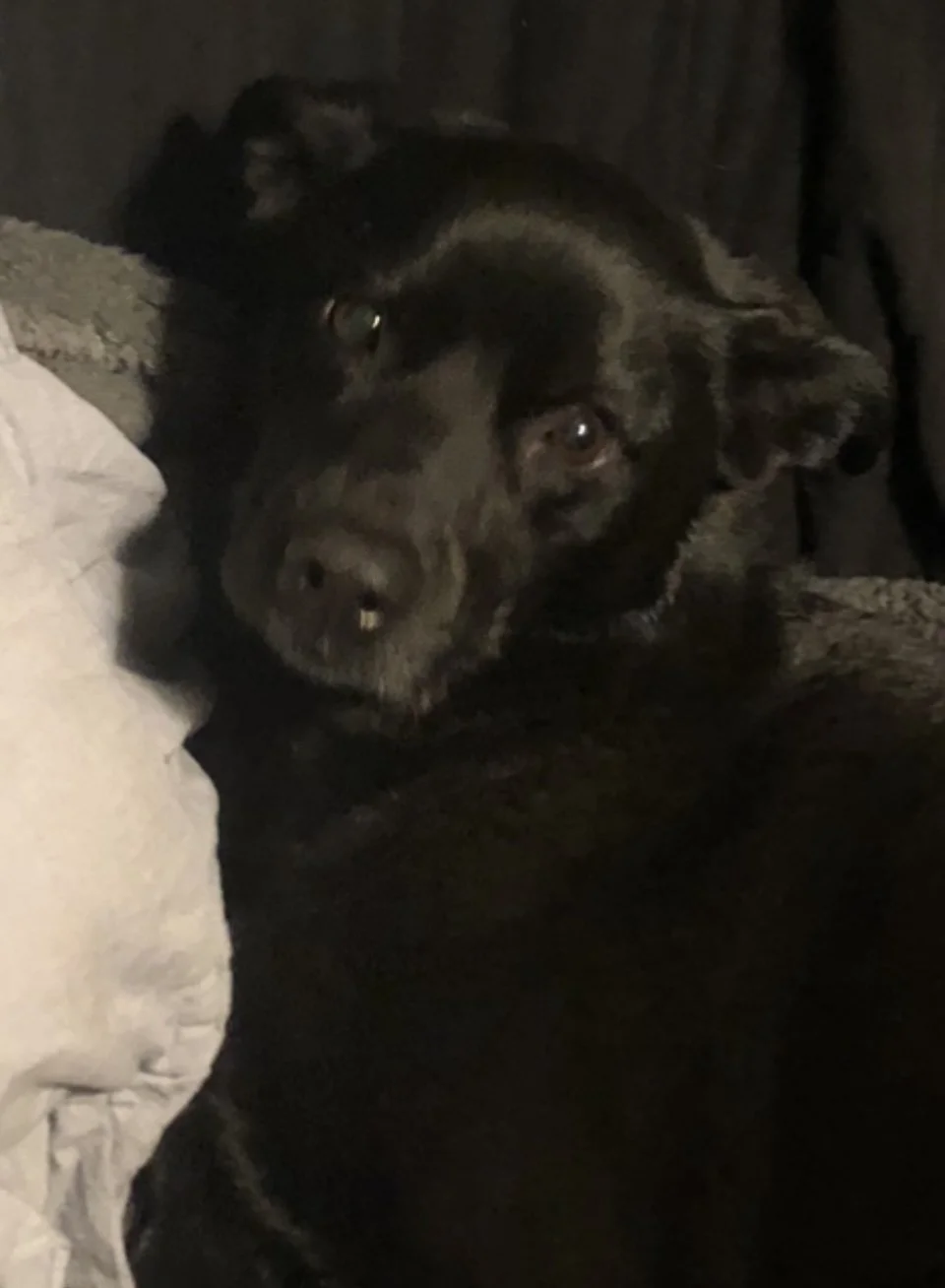
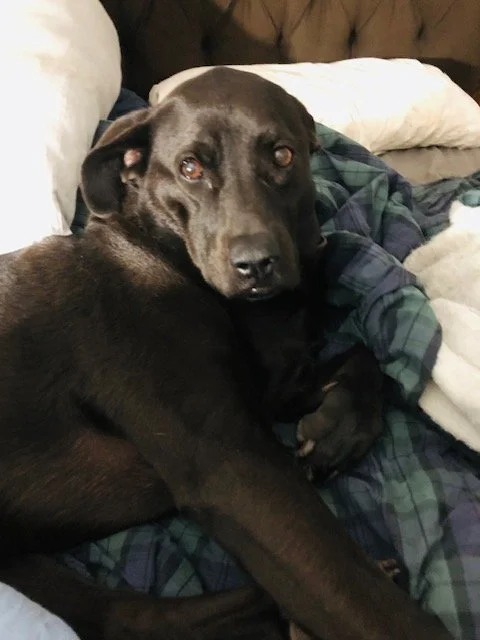
Sophie: Director of Peaceful Moments
-
![Mowgli, Australian Shepherd mix and chief of regulation, Vita Counseling Center]()
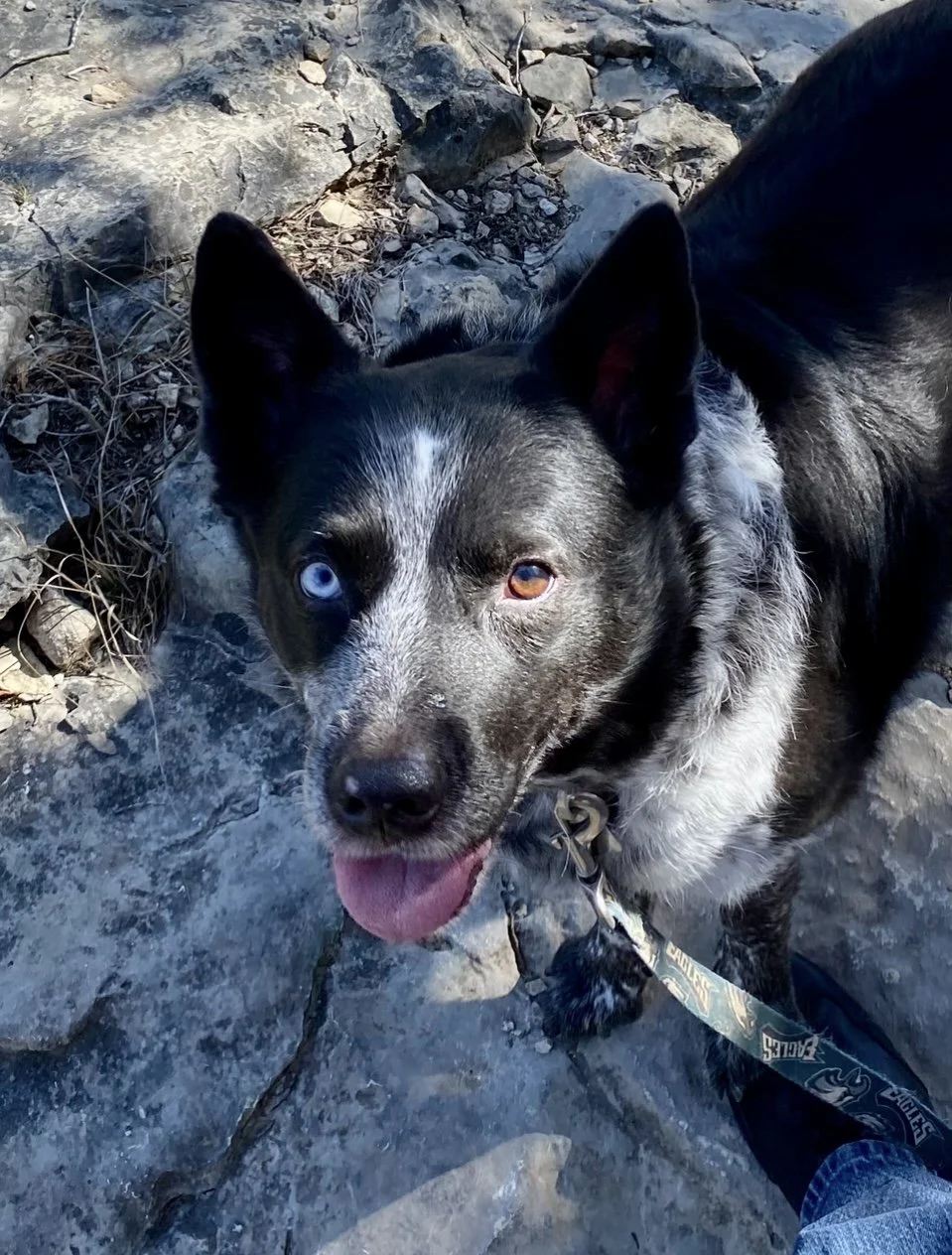
Mowgli: Chief of Regulation
-
![Livy, tortoiseshell cat and consultant for somatic rest, Vita Counseling Center]()
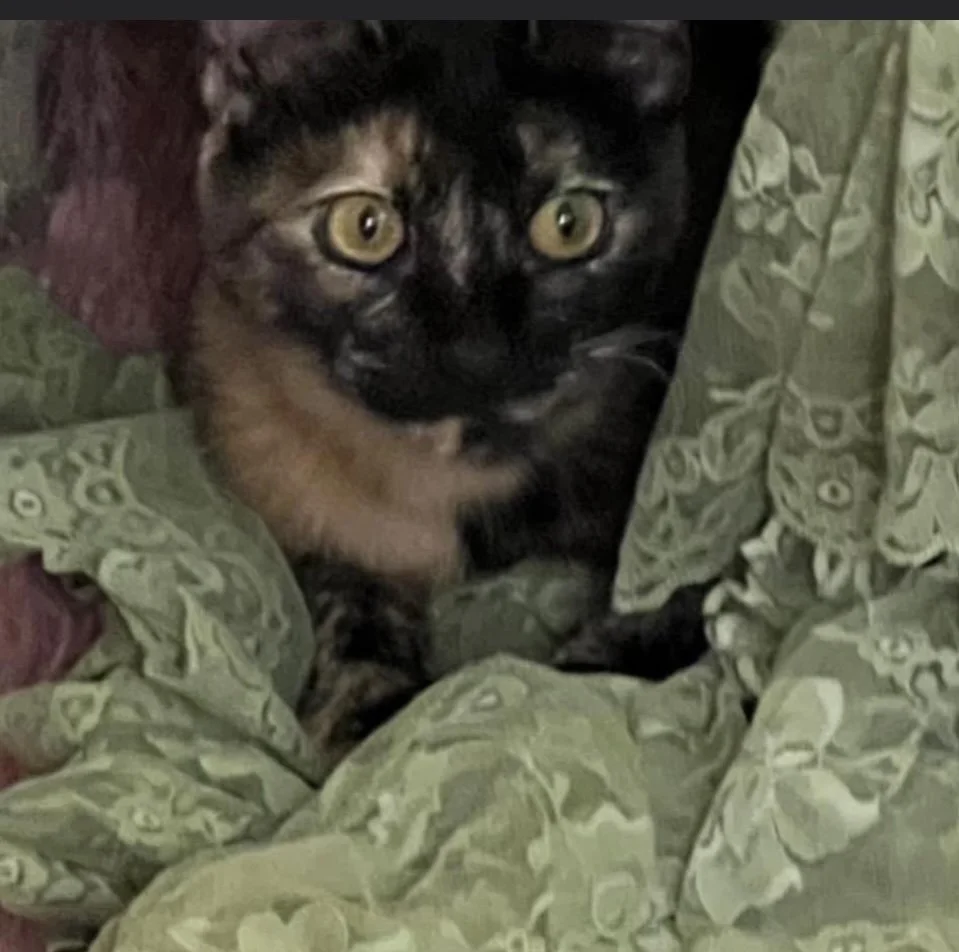
Livy: Consultant for Somatic Rest
-
![Oliver, buff cat and archivist of sunbeams, Vita Counseling Center]()
Oliver: Archivist of Sunbeams
-
![Lucky, black cat and specialist in non-verbal attunement, Vita Counseling Center]()
Lucky: Specialist in Non-Verbal Attunement
-
![Toby, black dog, founding spirt, vita counseling center in san antonio, texas]()
Toby: The Founding Spirit, in Memoriam


Experience, Licensure & Training
Fourteen years of clinical practice have confirmed what I know to be second nature: deep integration requires more than one way in, and I truly love the work I do.
My background includes formative work in inpatient psychiatry and a military trauma program for active-duty service members and veterans. This work served as a foundation that now informs the specialized tools I use to help women navigate the complexities of survival and change.
While my practice is rooted in my San Antonio office, I also offer online therapy for women across both San Antonio and Austin that maintains the depth and integrity of the work.
Clinical Licensure
Master of Arts in Counseling, 2012
Licensed Professional Counselor (LPC): Texas #79280, Washington #MHC.LH.70063917, and Oregon #C5532
Somatic, Nervous System, & Brainstem Integration
EMDR Certified Therapist | EMDR International Association, EMDRIA
Brainspotting | Phase I and II Clinician
Certified Clinical Hypnotherapist | National Board for Certified Clinical Hypnotherapists (NBCCH)
Brainstem, Shock, & Pre-Affective Trauma
Deep Brain Reorienting (DBR)
Trauma-Specific Specialization
Certified Prolonged Exposure Therapist for PTSD | University of Pennsylvania Center for the Treatment and Study of Anxiety
Cognitive Processing Therapy for PTSD
Attachment-Focused EMDR
Parts & Integration
Ego States & IFS-Informed
IFS + EMDR
Professional Affiliations
Brainspotting Professionals | The Official David Grand Network
National Board for Certified Clinical Hypnotherapists (NBCCH)
UT Health San Antonio | STRONG STAR Network
HSP Knowledgeable PsyPact Therapist | The Elaine Aron HSP Directory
American Counseling Association
The Menopause Society

A Space for the Work
There’s a difference between moving through life and truly inhabiting it. My work is dedicated to women who’ve spent years perfecting the former and are finally ready for the latter.
I’m a depth-oriented therapist for the woman in San Antonio and Austin who’s ready to look beneath her adaptations and reclaim what was hers before the world told her who to be.

Frequently Asked Questions About Working with Rebecca
-
Not at all. We start exactly where you are. Some women arrive ready to go straight to the difficult parts. Others need time to settle in first.
We move at a pace your nervous system can work with. Rushing doesn't get you there faster, your nervous system sets the pace.
-
Our first session is dedicated to understanding what brought you here, what you're carrying, and what you want to work toward. That gives us a foundation to start from.
The work is structured but never scripted. Life keeps happening, and the work stays responsive to that. Some sessions focus on processing, working at the level of the nervous system using EMDR, Brainspotting, or hypnotherapy. Others combine parts work and depth-oriented talk therapy.
You'll never feel like you're being run through a protocol. The work moves with you.
-
Which one we use, and when, depends on what you're carrying and what your nervous system is ready for. Each one reaches something slightly different.
EMDR can be especially helpful for traumatic memories, anxiety, grief, shame, attachment pain, and the beliefs about yourself that formed in those moments and stayed.
Brainspotting can be helpful for what's held in the body: grief, guilt, shame, trauma, anxiety, and experiences that may not have a clear story but still live there.
Deep Brain Reorienting (DBR) works with the brain’s earliest orienting response to trauma, helping reach the shock that can register before emotions, thoughts, or protective nervous system patterns fully take shape.
Hypnotherapy can help reach unconscious patterns, calm emotional activation, and support the nervous system in creating new responses.
-
Yes, women of all cultural backgrounds, sexual orientations, and gender identities are welcome here.
While I'm a spiritual person, this is not a faith-based or Christian counseling practice. You don't need to share my beliefs, or hold any specific beliefs at all, to do this work. If your own faith or spirituality is an important part of your life, you're always welcome to bring that into our sessions.
-
I meet with women in person in my San Antonio office, and also offer telehealth for women in Austin and San Antonio.
EMDR, Brainspotting, and trauma-informed hypnotherapy work in both formats. In person, the office is set up to support nervous system work. Online, the work translates well when we set up your space thoughtfully on your end.